
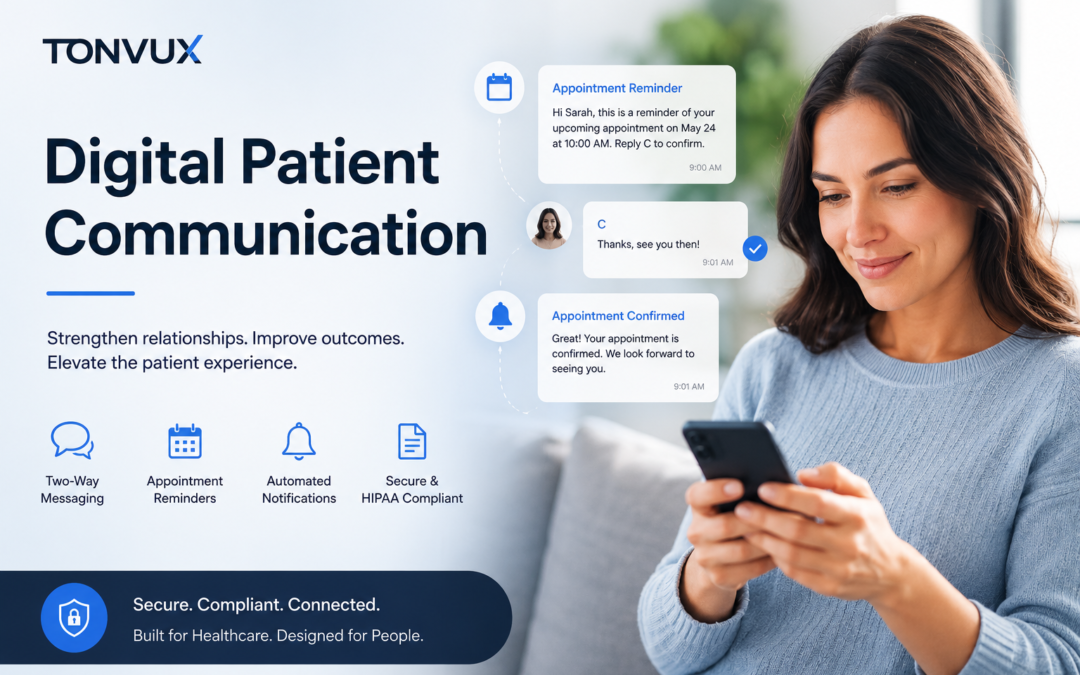
Digital Patient Communication
Why Digital Patient Communication Is Essential for Modern Clinics
Digital patient communication helps clinics share timely, clear, non-sensitive information before, during, and after a patient visit.
For modern clinics, better communication can reduce confusion, support front-desk teams, and create a more organized patient experience.
Quick Answer
What is digital patient communication?
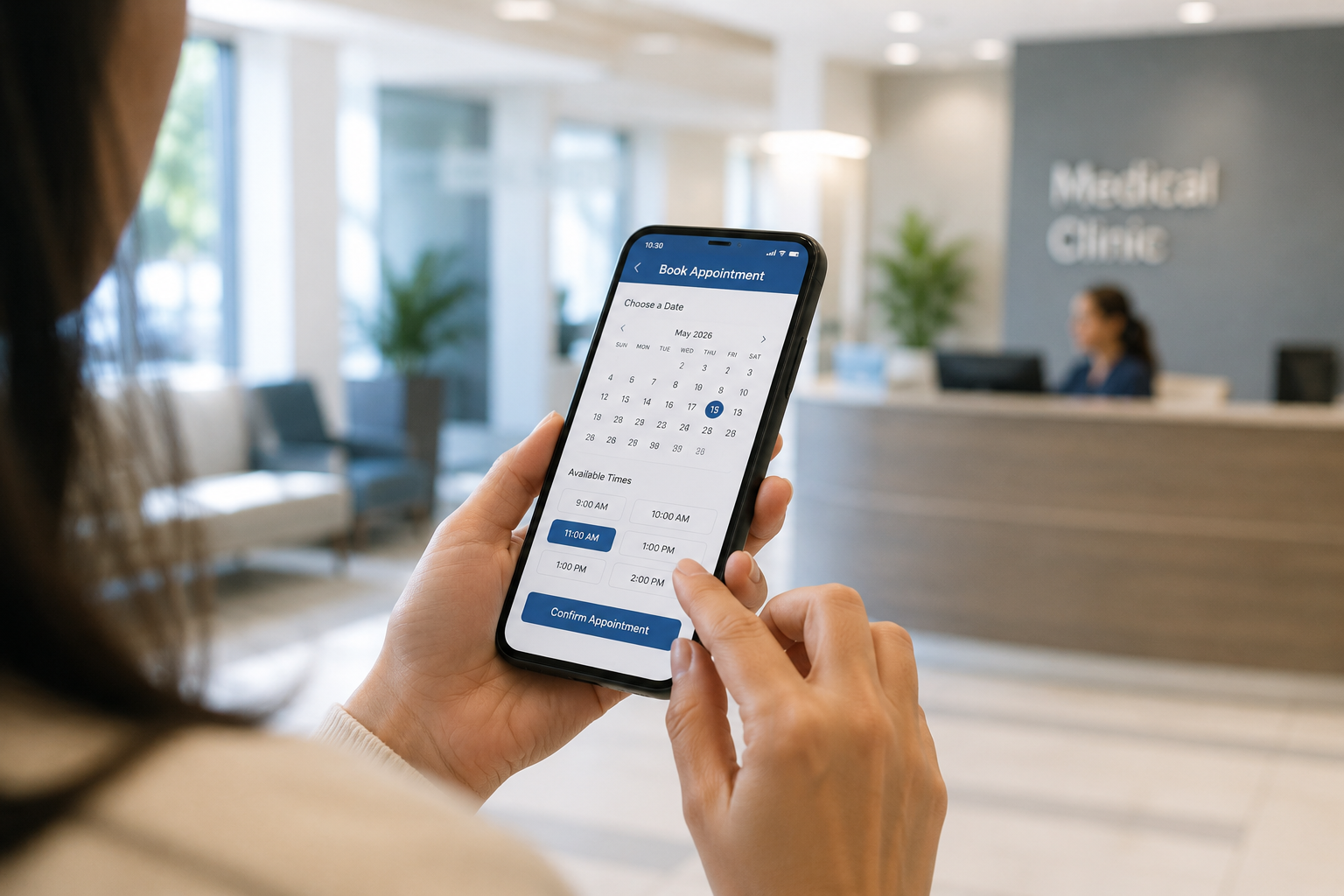
Digital patient communication refers to the use of online tools, website updates, automated messages, digital displays, and patient-facing systems to share practical clinic information such as status updates, estimated wait times, walk-in availability, appointment reminders, check-in instructions, and service announcements.
Clinic Information Patients Need
Patients often look online before they call or visit.
Many patients want to know whether the clinic is open, if walk-ins are accepted, how long they may need to wait, and whether there are any same-day updates.
Why It Matters
Clear digital communication reduces uncertainty for patients and staff.
When clinic information is unclear or outdated, patients may call repeatedly, arrive at the wrong time, or misunderstand whether walk-ins are available.
Set Expectations Earlier
Patients can see current information before they arrive.
Reduce Repeated Calls
Common operational updates become easier to find online.
Support Front Desk Teams
Staff can point patients toward current clinic updates.
Improve the Visit Experience
Clear instructions can make the patient journey feel more organized.

Common Problems
Many clinics still rely heavily on phone calls for everyday updates.
This can create pressure on reception staff, especially during busy periods. Digital patient communication gives clinics a practical way to share common updates more efficiently.
- Patients calling to ask, “How long is the wait?”
- Staff repeating the same information throughout the day
- Patients arriving without knowing current clinic status
- Confusion around walk-in availability
- Delays that are difficult to communicate quickly
- Outdated website information
- Multiple clinic locations needing different updates
Patient Experience
Patients often need simple, timely answers.
Digital communication helps patients find practical information such as whether a clinic is open, whether walk-ins are accepted, whether the clinic is running behind, and whether anything changed today.
Answer-Ready Statement
Digital patient communication helps clinics share practical, non-sensitive information in a timely and consistent way so patients can make more informed decisions before they visit.
Front-Desk Support
Digital communication helps reduce repeated operational questions.
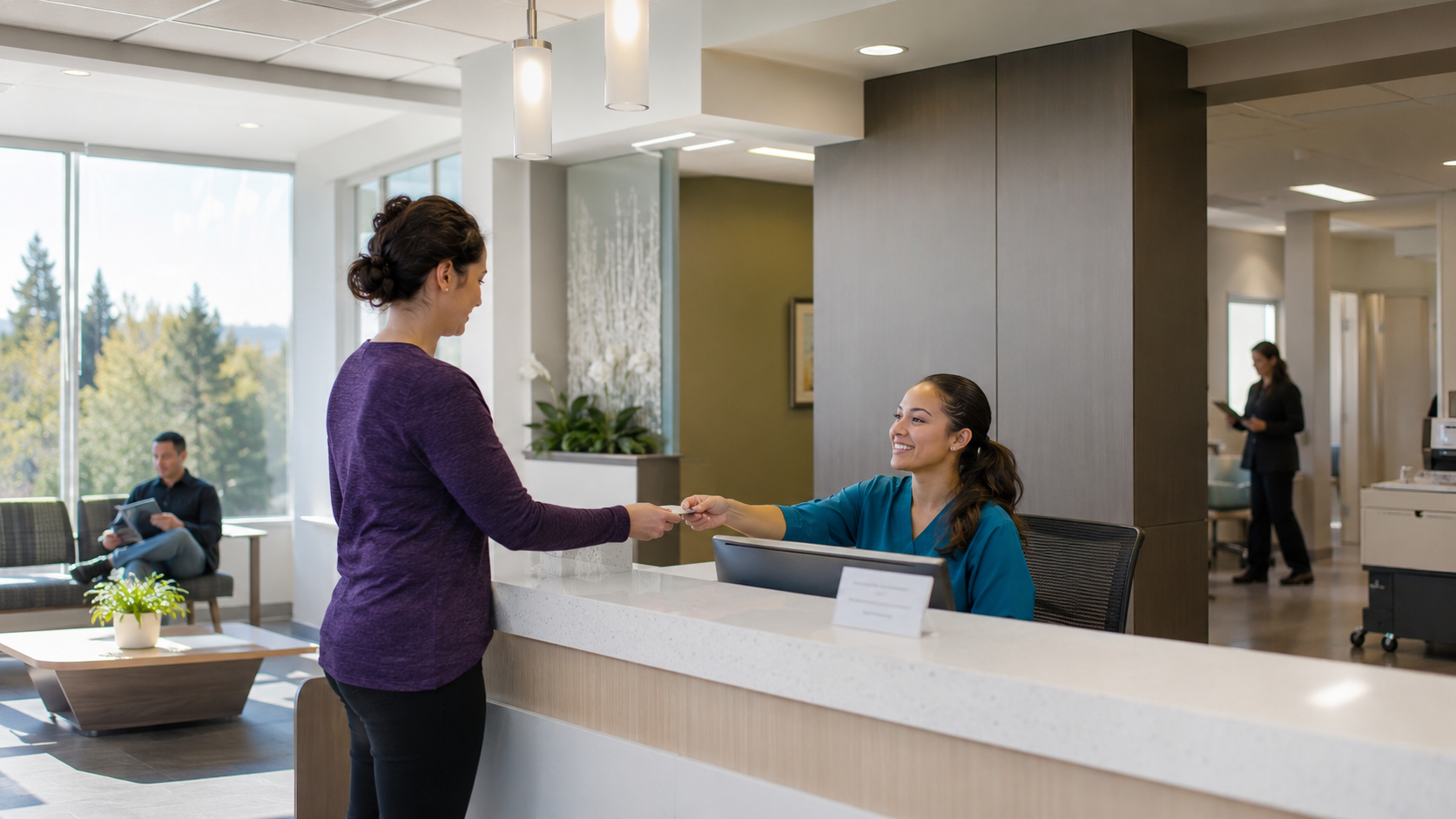
Front-desk teams answer phones, check patients in, update waiting patients, coordinate providers, and manage daily schedule changes. A strong digital communication system can make common updates visible on the clinic website or waiting-room display.


Where TONVUX Fits
TONVUX helps clinics publish live status and wait-time updates.
TONVUX supports digital patient communication by helping clinics publish live clinic status, estimated wait times, walk-in availability, announcements, and waiting-room updates.
For walk-in clinics, family practices, pharmacies, and multi-location clinic groups, TONVUX can help make operational information easier for patients to find on the clinic’s own website.
TONVUX is a communication and clinic-status tool. It is not an EMR and should not be used to publish patient names, diagnoses, health card numbers, treatment details, or medical records.
Clinic-Owned Communication
Clinic-owned digital communication creates a more reliable digital front door.
Many clinics depend on third-party listings, phone calls, or static website pages. Clinic-owned communication gives healthcare teams more control over what patients see on the clinic’s own website.
Clinics can publish updates about:
- Current wait times
- Today’s walk-in availability
- Location-specific changes
- Temporary delays
- Service availability
- Patient instructions
Trust and Compliance
Digital communication should be clear, current, and privacy-conscious.
Good digital communication should be easy to understand, mobile-friendly, accessible, and consistent with what staff say by phone or in person. Avoid absolute claims such as “Never wait again.” A safer message is: “View estimated wait times before you visit.”
Public-facing clinic updates should not include patient names, diagnoses, appointment details, health records, or other personal health information.
Improvement Checklist
How clinics can improve digital patient communication
Related TONVUX Resources
Explore more clinic communication resources.
Learn how TONVUX supports live clinic status, wait-time communication, walk-in availability, patient-facing updates, and clinic-owned communication.
Ready to Improve Patient Communication?
Give patients clearer clinic updates before they call or visit.
Use TONVUX to publish live clinic status, estimated wait times, walk-in availability, and announcements on your own website and waiting-room displays.
Book a DemoFAQ
Frequently asked questions
What is digital patient communication?
Digital patient communication is the use of online tools, website updates, messages, and digital displays to share clinic information with patients.
Why is digital patient communication important for clinics?
It helps patients find timely information, supports front-desk staff, reduces repeated questions, and improves the overall clinic experience.
Can digital patient communication reduce phone calls?
It may help reduce some repetitive phone calls by making common information, such as clinic status and estimated wait times, easier to find online.
Should clinics publish patient information in digital updates?
No. Public-facing digital updates should not include patient names, diagnoses, appointment details, health records, or other personal health information.
How does TONVUX support digital patient communication?
TONVUX helps clinics publish live clinic status, estimated wait times, walk-in availability, and announcements on their own website and waiting-room displays.